In the last article, I introduced seven places that opened this year. This time, something about Kyoto that surprises most visitors.
What most people call “Kyoto” is one city, in the southern part of a much larger region that shares its name. North of the city are thatched villages and a river gorge. Beyond them, the Sea of Japan and a fishing village whose houses stand at the water’s edge. South of the city, tea fields that have been worked for 800 years.
Kyoto Prefecture calls the areas outside the city “Kyoto by the Sea”, “Woodland Kyoto”, “Kyoto Tea Country” and so on, and groups them as “Another Kyoto”. This article covers those three, with how to reach each one from the city. When I say “the city”, I mean Kyoto City.
First, the Kyoto everyone knows
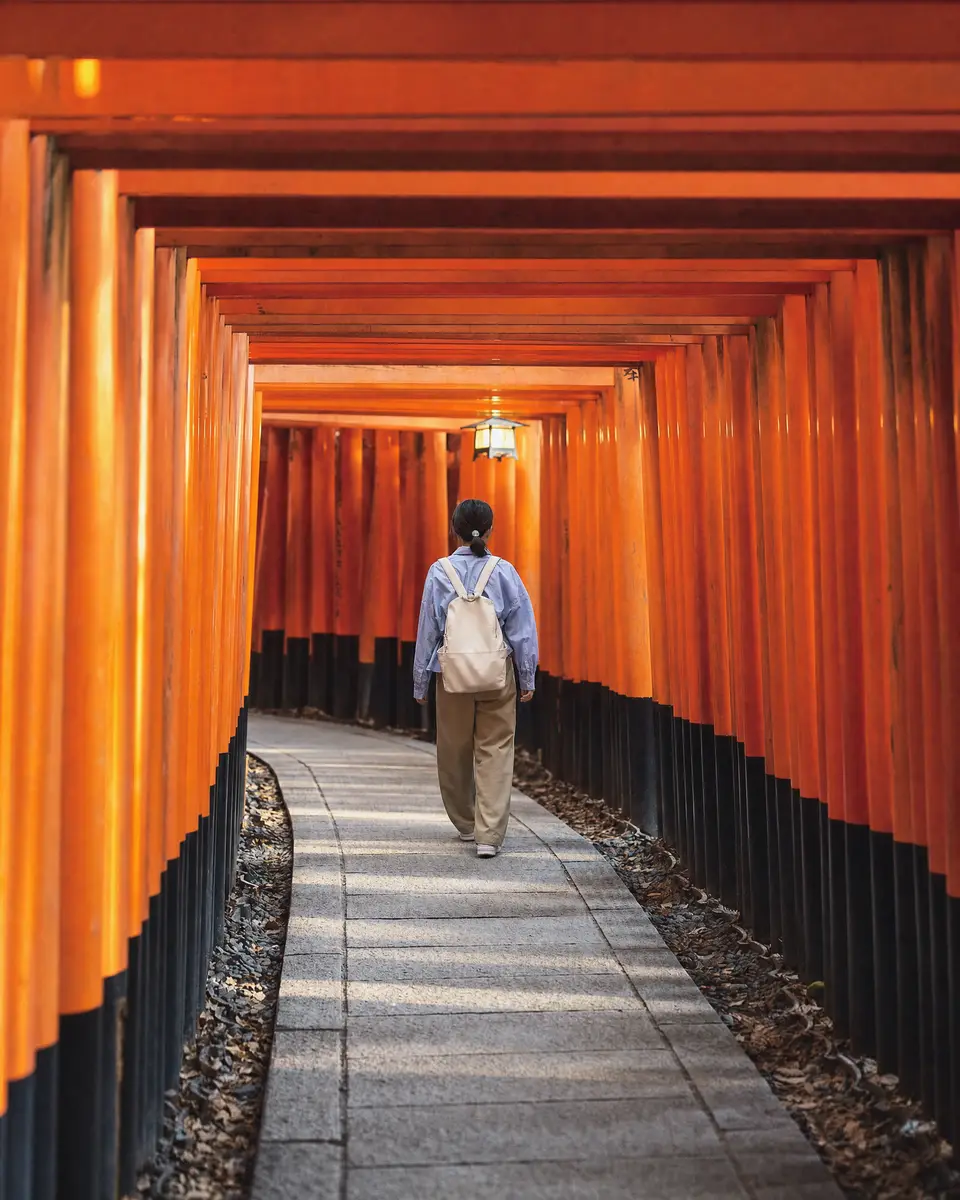
Fushimi Inari Shrine
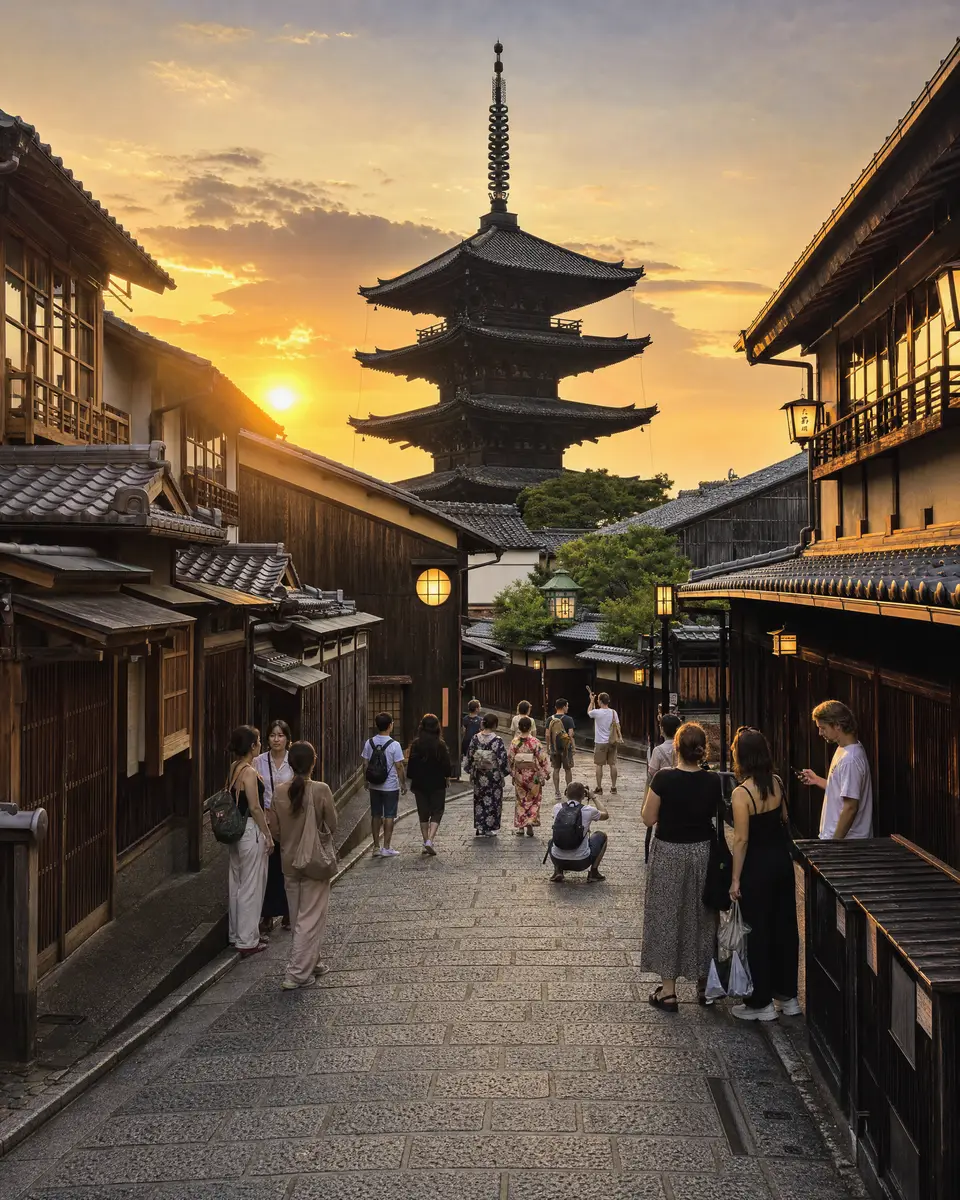
Yasaka Pagoda
For more than 1,000 years it was Japan’s capital. It was never bombed in the war, so whole streets of wooden houses survive. It has 1,600 temples, 400 shrines and 17 World Heritage sites: Fushimi Inari, Kiyomizu-dera, the Arashiyama bamboo grove, the Golden Pavilion. How to plan it day by day is a separate article.
Most people spend three days here, decide they have “done Kyoto”, and move on to the next city. This is the article to read before you do.
Woodland Kyoto — two hours north of the city
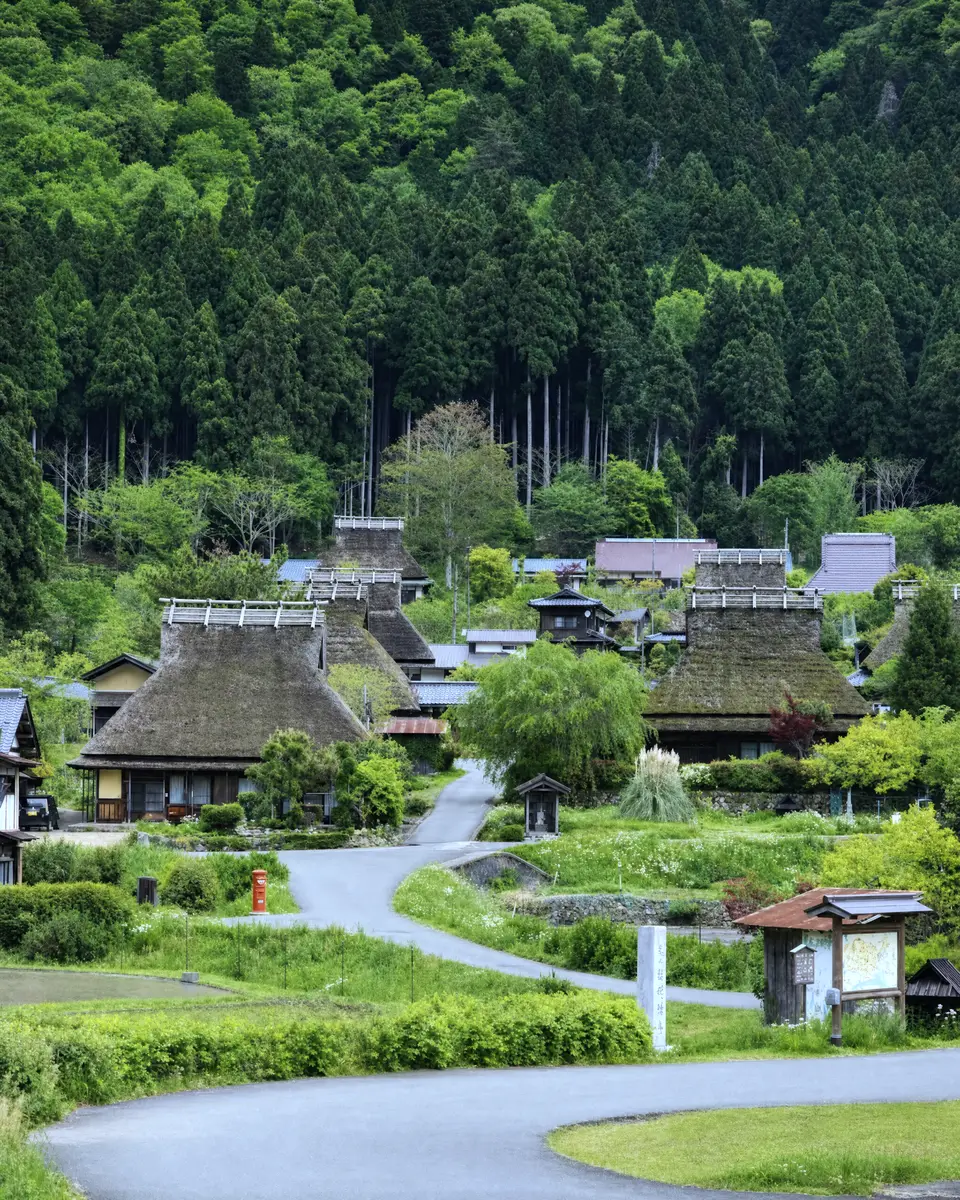
Miyama Thatched Village
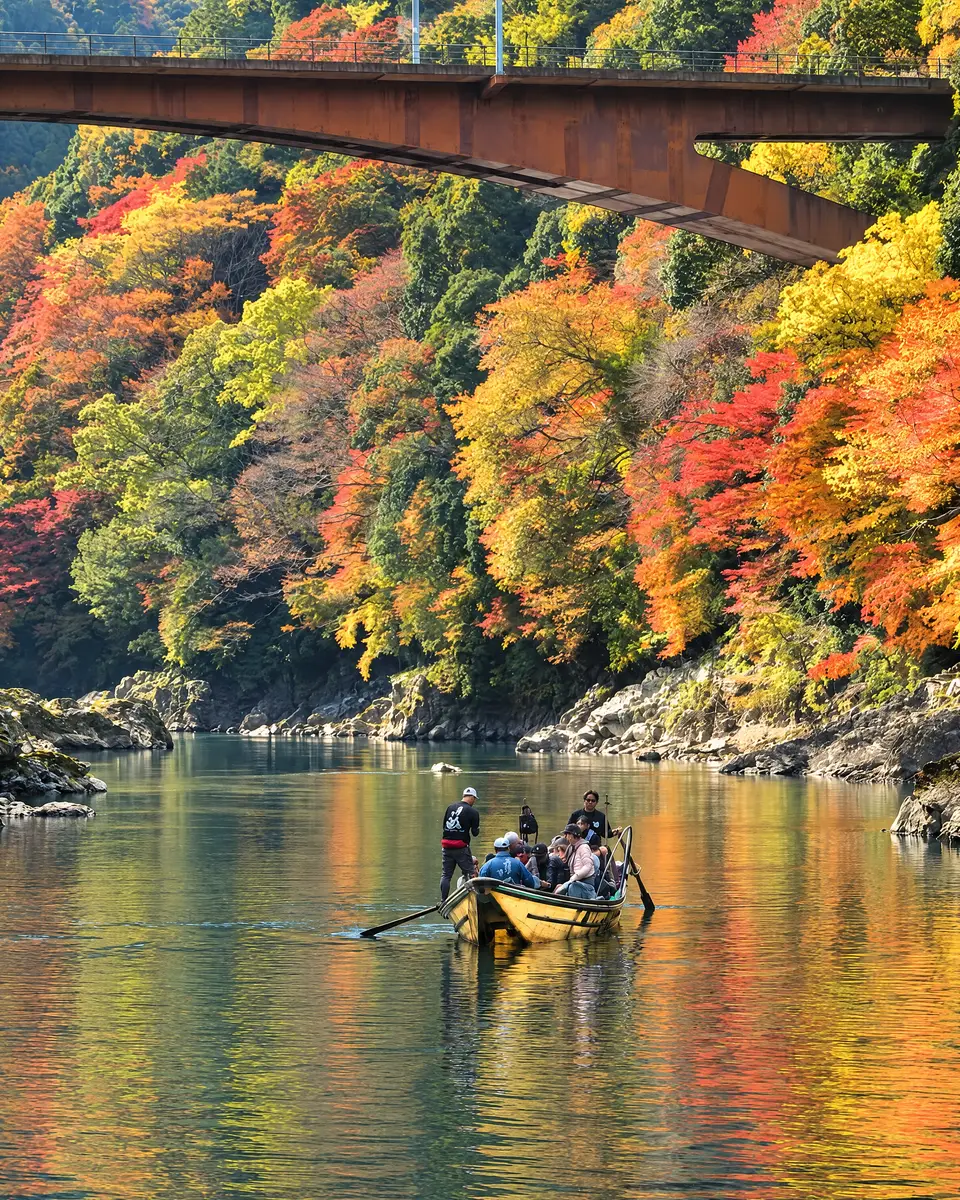
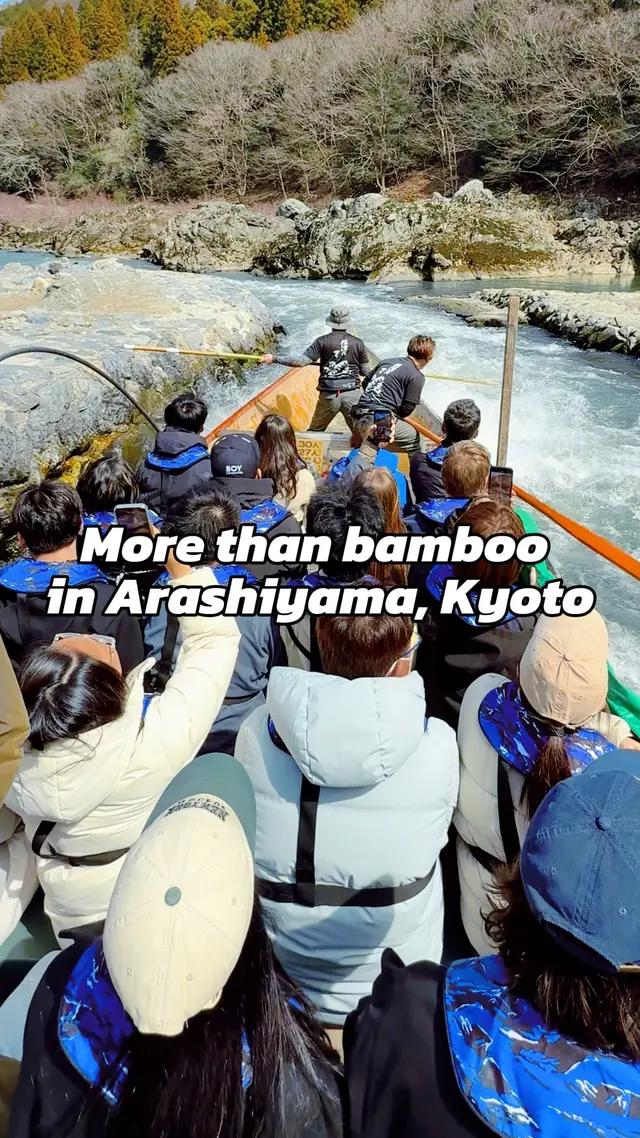
Hozugawa River Boat Ride
Miyama. In a mountain valley, a village of thatched-roof farmhouses: 39 of its 50 houses still have thatched roofs. It is a 200-year-old village that people still live in, not a museum. You can walk around it in 30 minutes, and there is a thatched cafe and a path along the river. About two hours from Kyoto Station by train and bus. Buses run only a few times a day, so check the timetable first.
The Hozu River. From Kameoka, upstream of Arashiyama, a wooden boat takes you two hours down a 16-kilometre gorge and lands right next to the Arashiyama bamboo grove. The classic half day: out on the hugely popular Sagano scenic train, 25 minutes, and back down by boat. The boats run all year except the New Year holiday and days of bad weather, with heaters and a roof in winter. ¥6,000 per adult.
hiroko_japan.travel15 Sep 2026
I'll say it again. Seeing only the bamboo grove and the bridge in Arashiyama is a waste. Get on this.
My recommendation: take the Sagano scenic train out, and come back down the river on this boat 🚣
Use code HIROKOJAPAN at checkout for a discount. It also supports this site.
Kyoto by the Sea — two hours north by express train
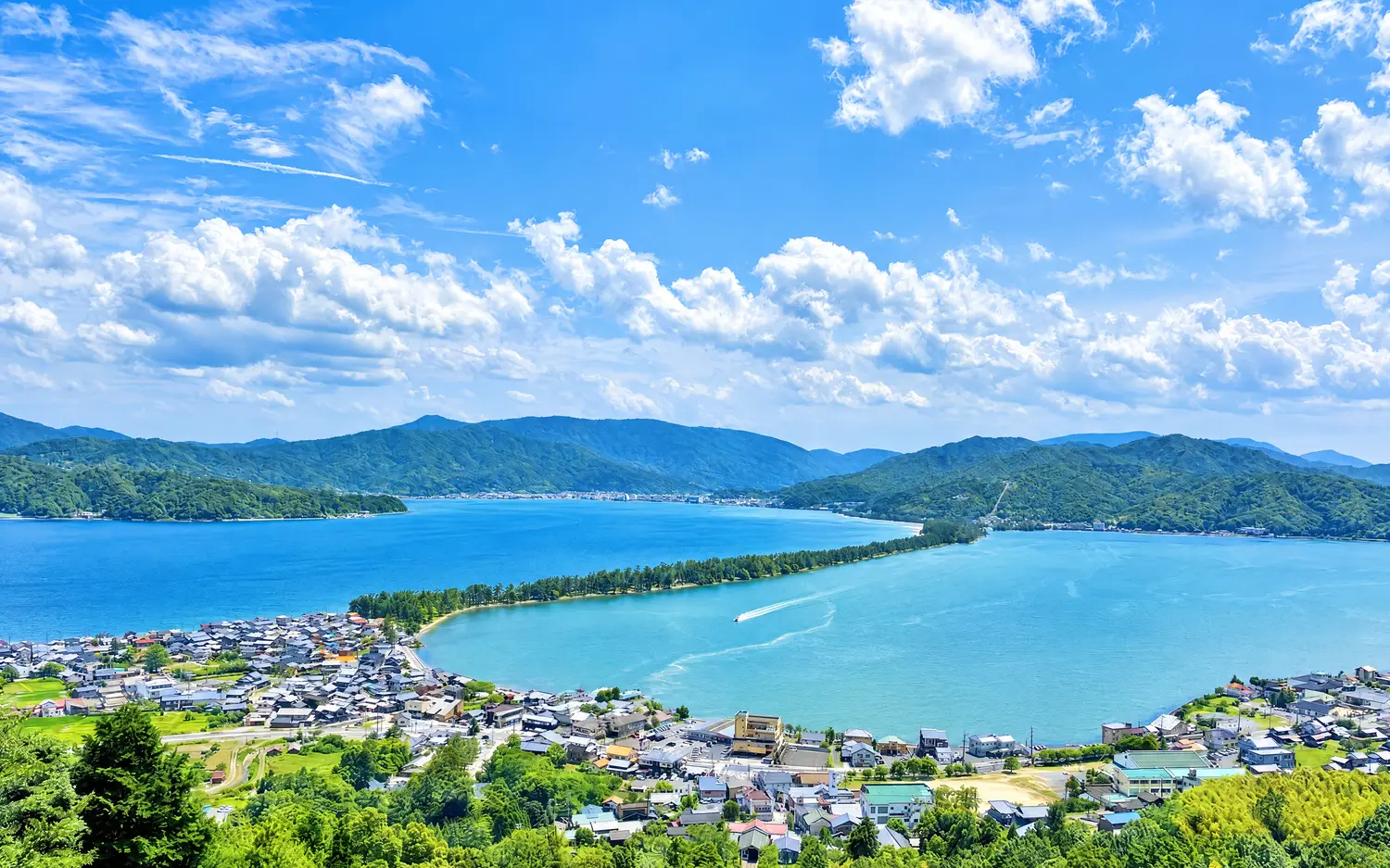
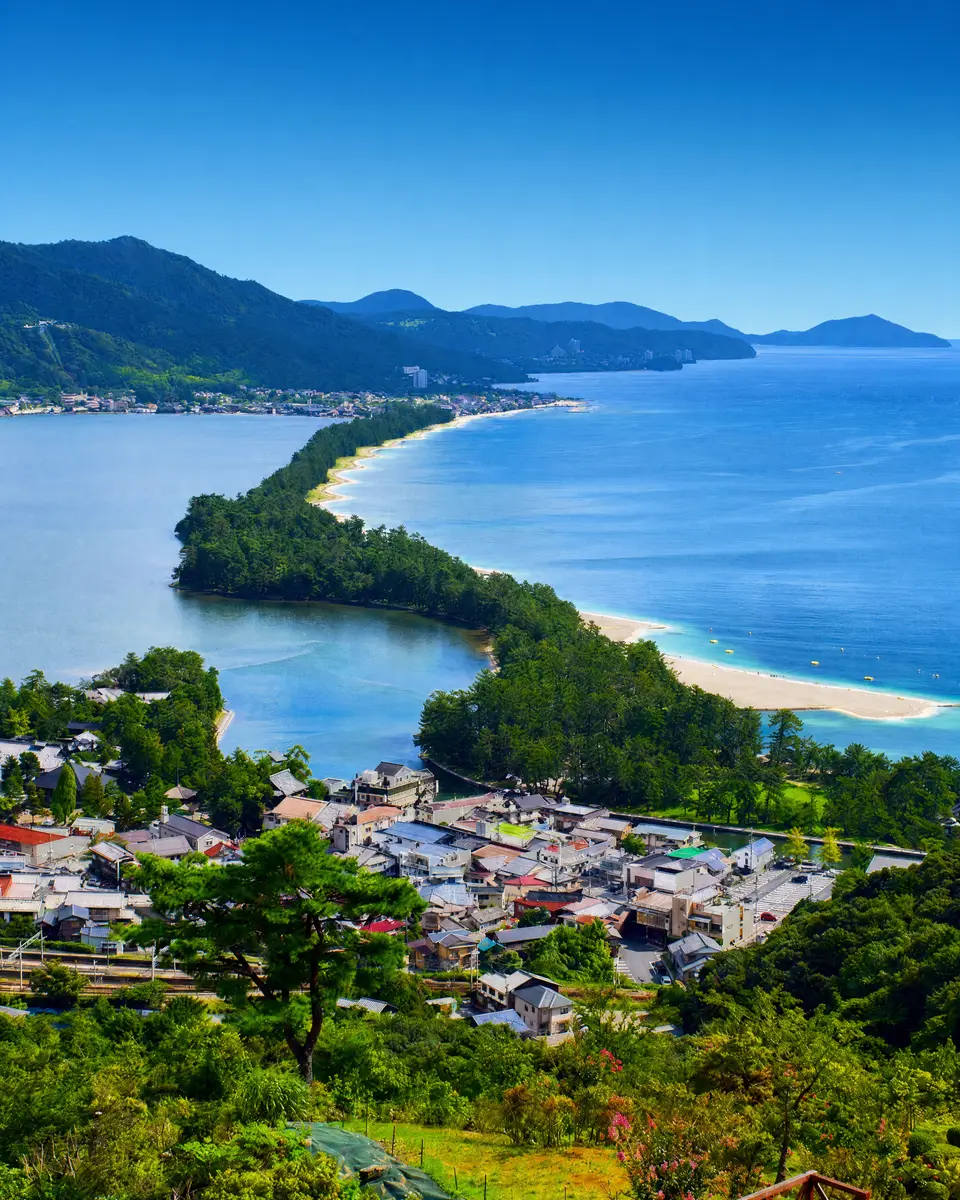
Amanohashidate
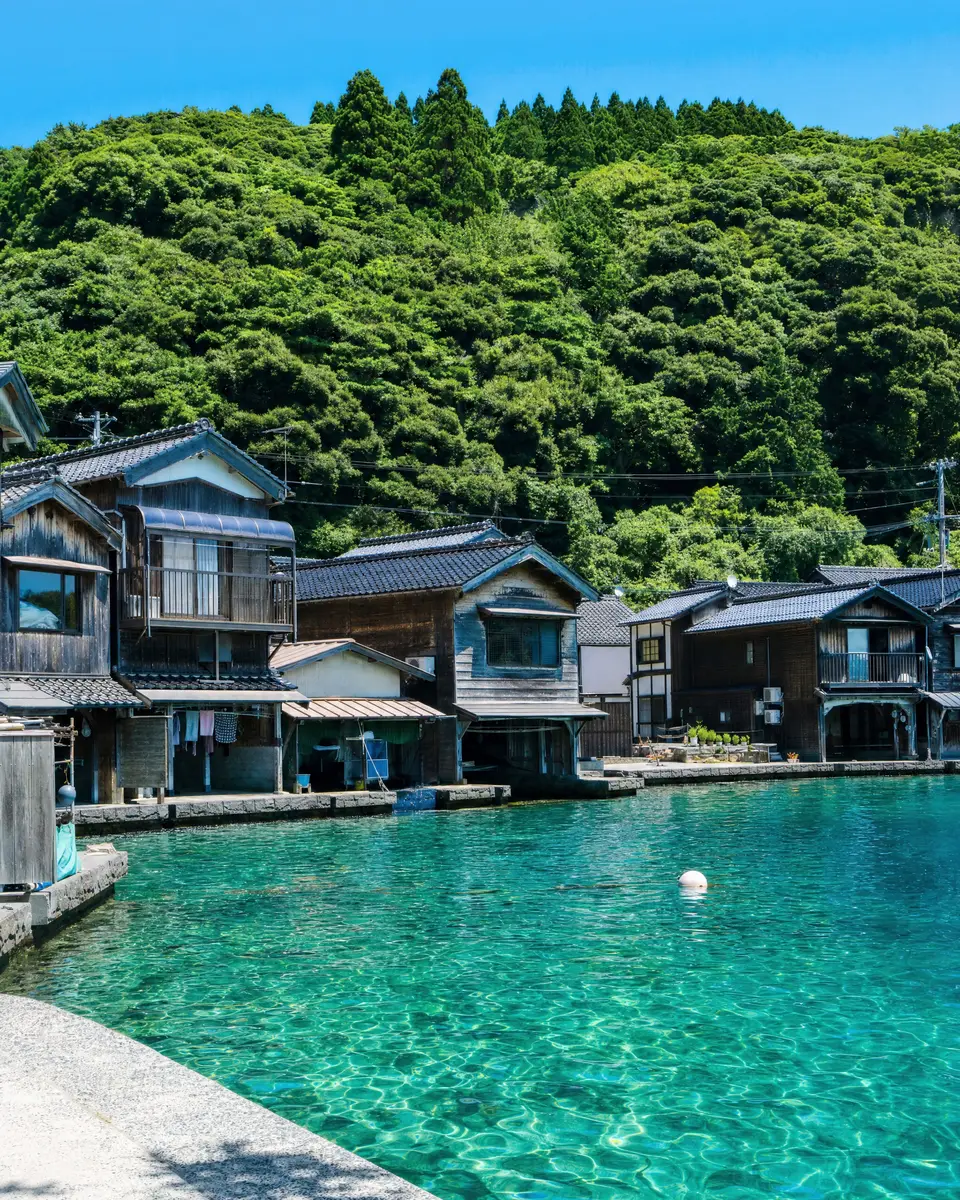
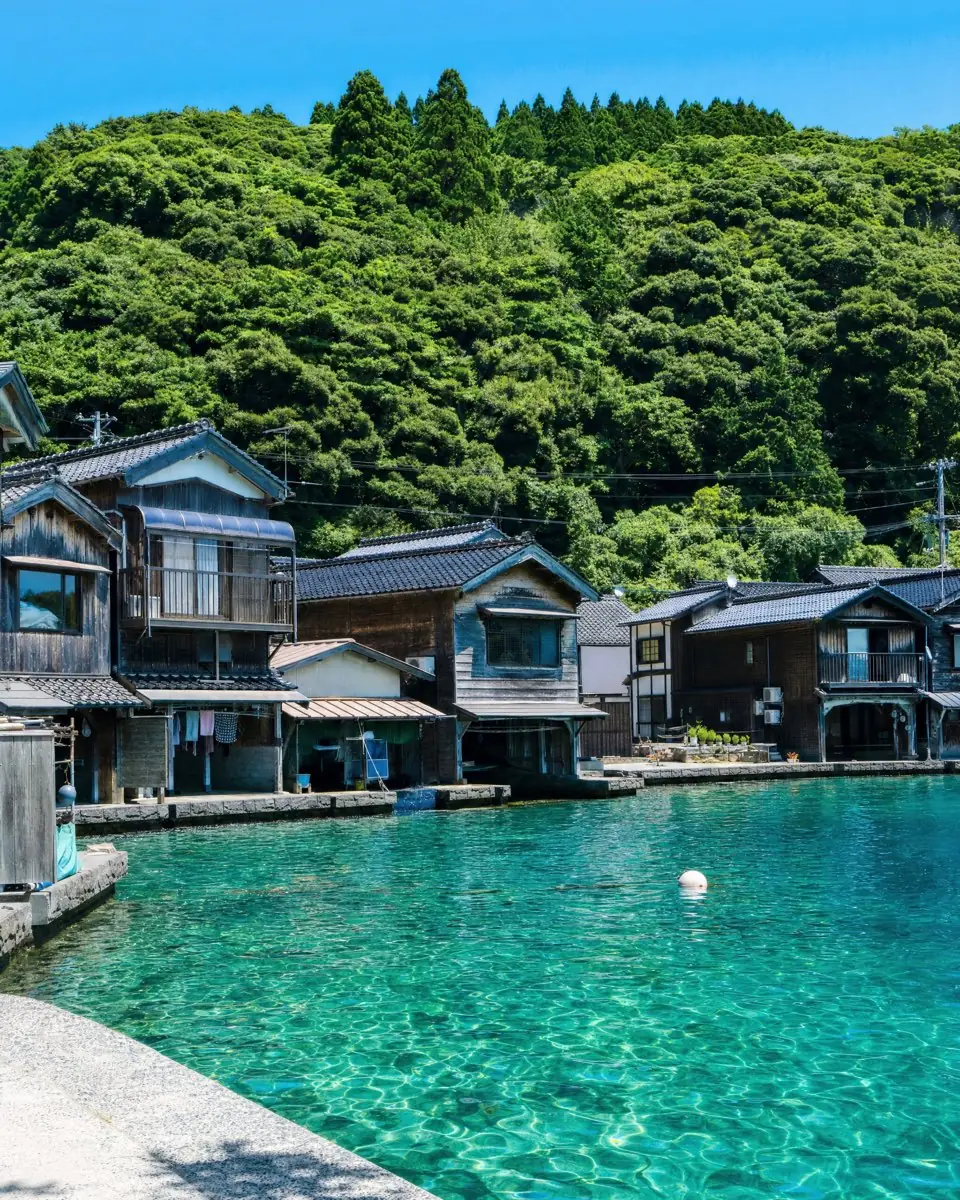
Ine Boathouses
Most visitors from abroad have no idea that Kyoto has a coast.
Amanohashidate. One of the three most celebrated views in Japan: a 3.6-kilometre sandbar across a bay, lined with about 8,000 pine trees. Cross it in 20 minutes by bicycle or 50 on foot. At the viewpoint on the southern hill, people turn their back to it and look between their legs. Upside down, it looks like a dragon rising into the sky. About 2 hours 10 minutes from Kyoto Station by express train.
Ine. An hour by bus from Amanohashidate. Around the bay stand about 230 “boathouses”. The ground floor opens onto the sea and the boat slides straight in; the family lives upstairs. They can exist because the bay faces south, an island shields it from the waves, and the tide here barely rises or falls. It was the first fishing village in Japan to be named a national preservation district. Some boathouses are now inns and restaurants, and a sightseeing boat shows you the row from the water.
Amanohashidate on its own works as a day trip. If you go on to Ine, stay a night in a boathouse inn.
Kyoto Tea Country — twenty minutes south by train
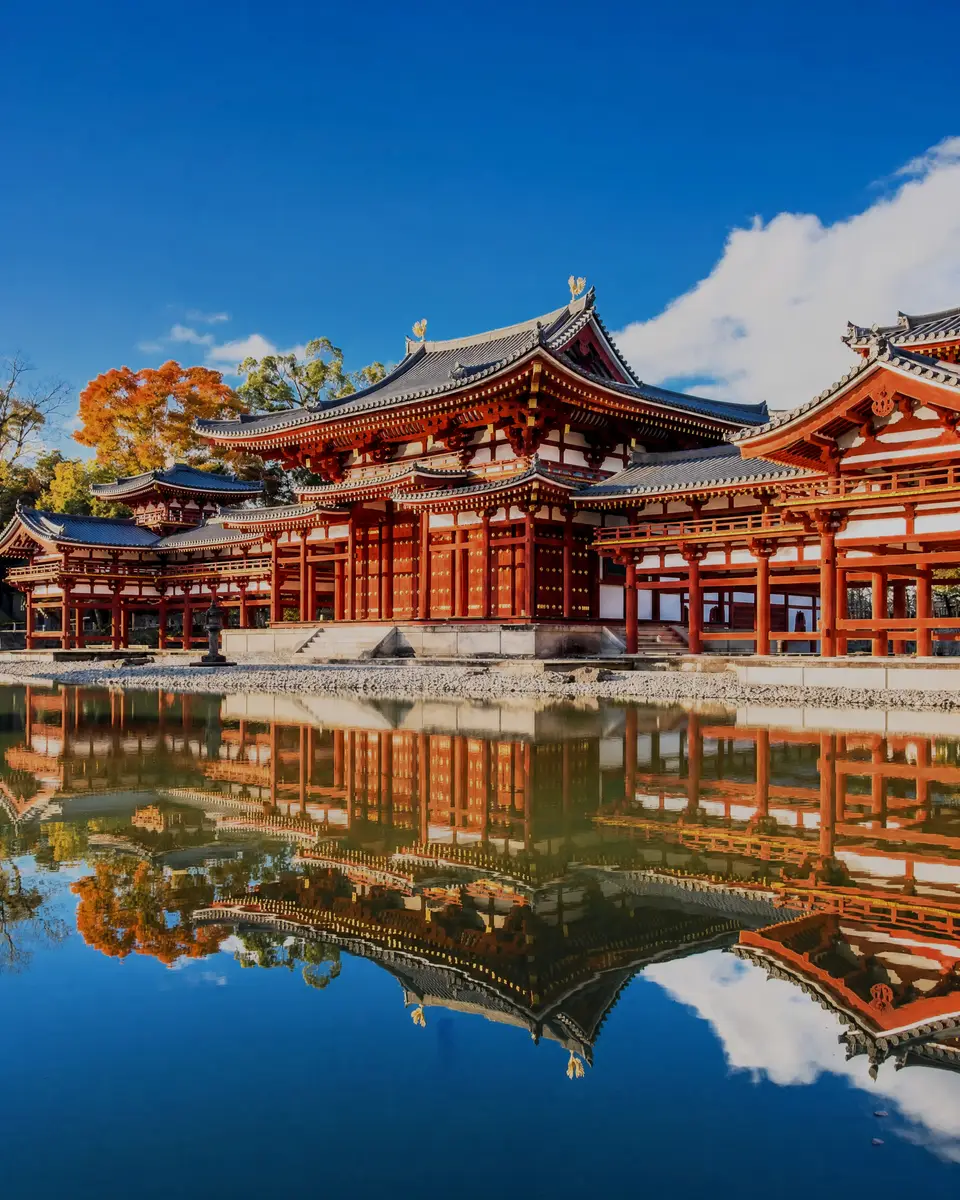
Byodo-in Temple
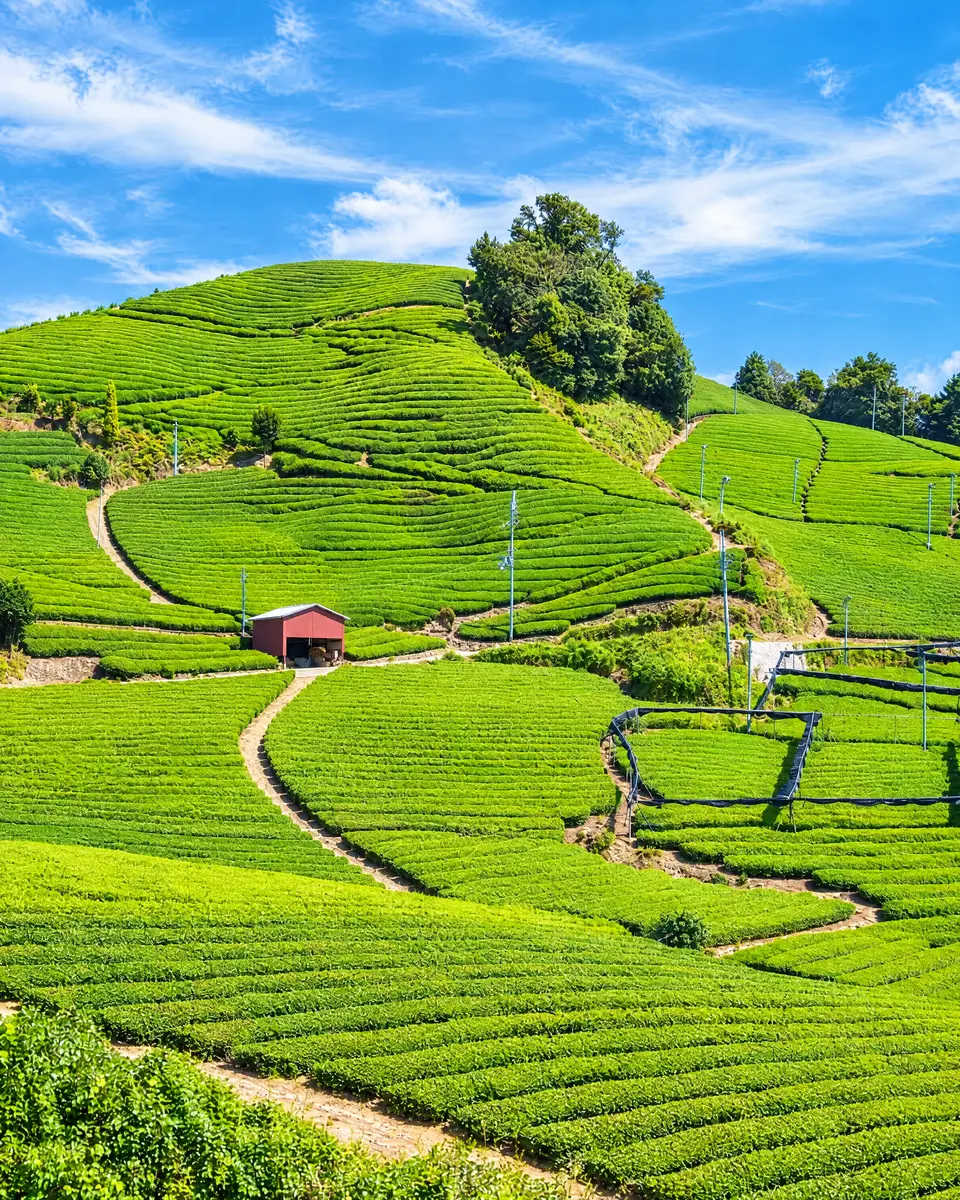
Wazuka Tea Fields
Uji. Under 20 minutes from Kyoto Station, with two World Heritage sites: the 11th-century temple on the 10-yen coin, and the oldest shrine building in Japan. The main street is lined with tea shops, where you can grind your own matcha with a stone mill. Tea has been grown here since the 13th century, and those 800 years were recognised as the very first of Japan’s official heritage stories.
Wazuka. Another hour south of Uji. Tea fields climb the valley slopes almost to the ridgelines, and 45% of Kyoto’s tea is grown here. You can walk between the fields, and there is a cafe looking out over them. It is one of “The Most Beautiful Villages in Japan”. About an hour and a half from Kyoto Station.
Uji on its own takes half a day. If you go on to Wazuka, give it a full day.
When to go
Woodland: fresh green and rice planting in May, autumn colours in November, snow in January and February
Sea: crab season, November to March
Tea: the new-tea harvest in May
Even in late March to early April and in November, when the city is packed, these three areas stay relatively quiet. They take some planning to get around, so I recommend seeing them with a guide and a car. This is the tour that covers them.
Sharing Japan travel information on Instagram since June 2024, with 280K followers. Also works with local governments to bring travellers to rural Japan, where the old landscape remains.
Hiroko runs private tours in Japan with English-speaking guides, bookable online from ¥44,000.
 By Hiroko · 15 September 2026