Goshuin: How to Get Japan’s Temple and Shrine Stamps
By Hiroko · 7 October 2026
In the last article, I showed you that Kyoto is not just a city: it has forests, a coast and tea fields. This time, one small book I would love you to take to Kyoto’s temples and shrines: a goshuincho, the book for goshuin stamps.
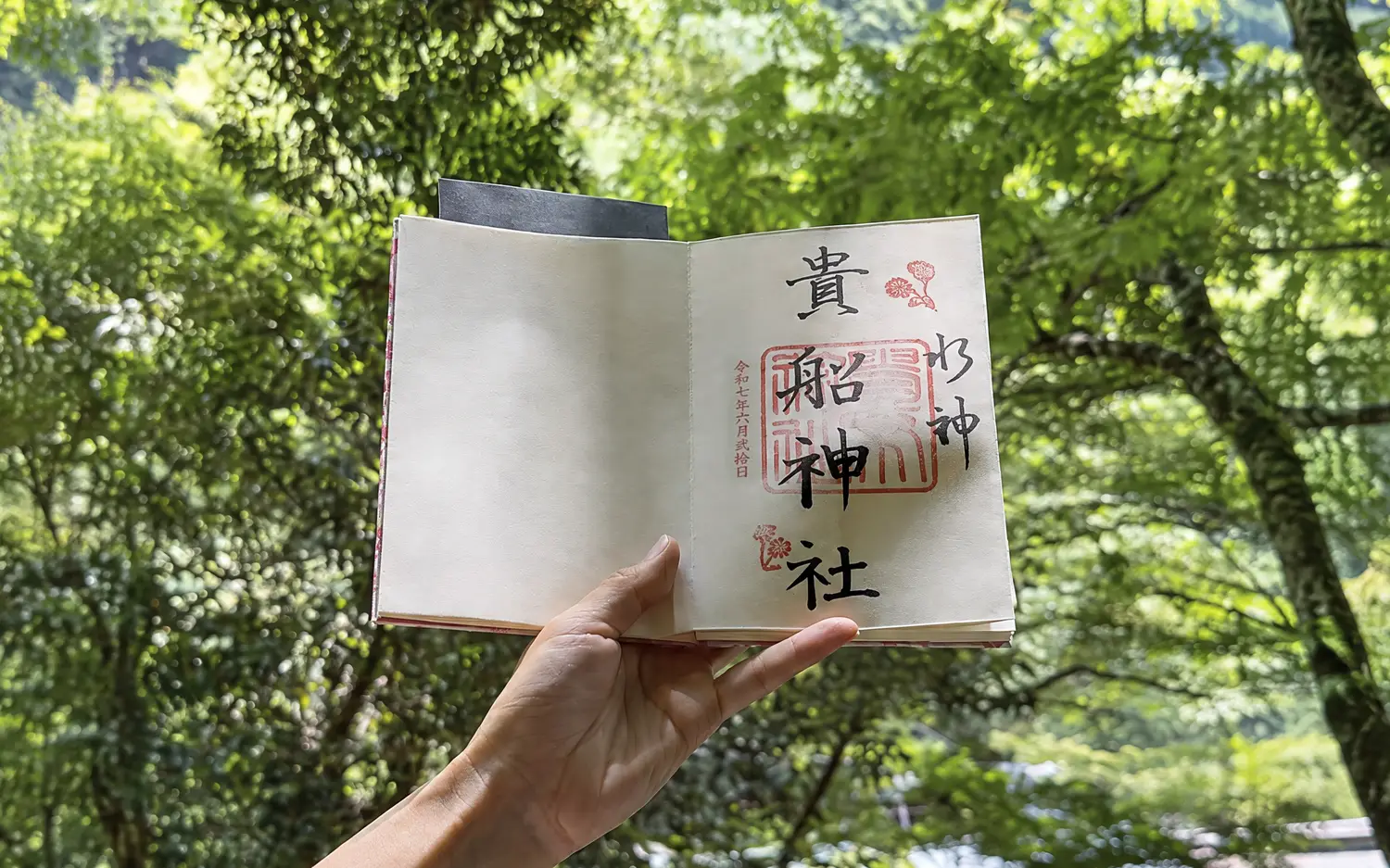
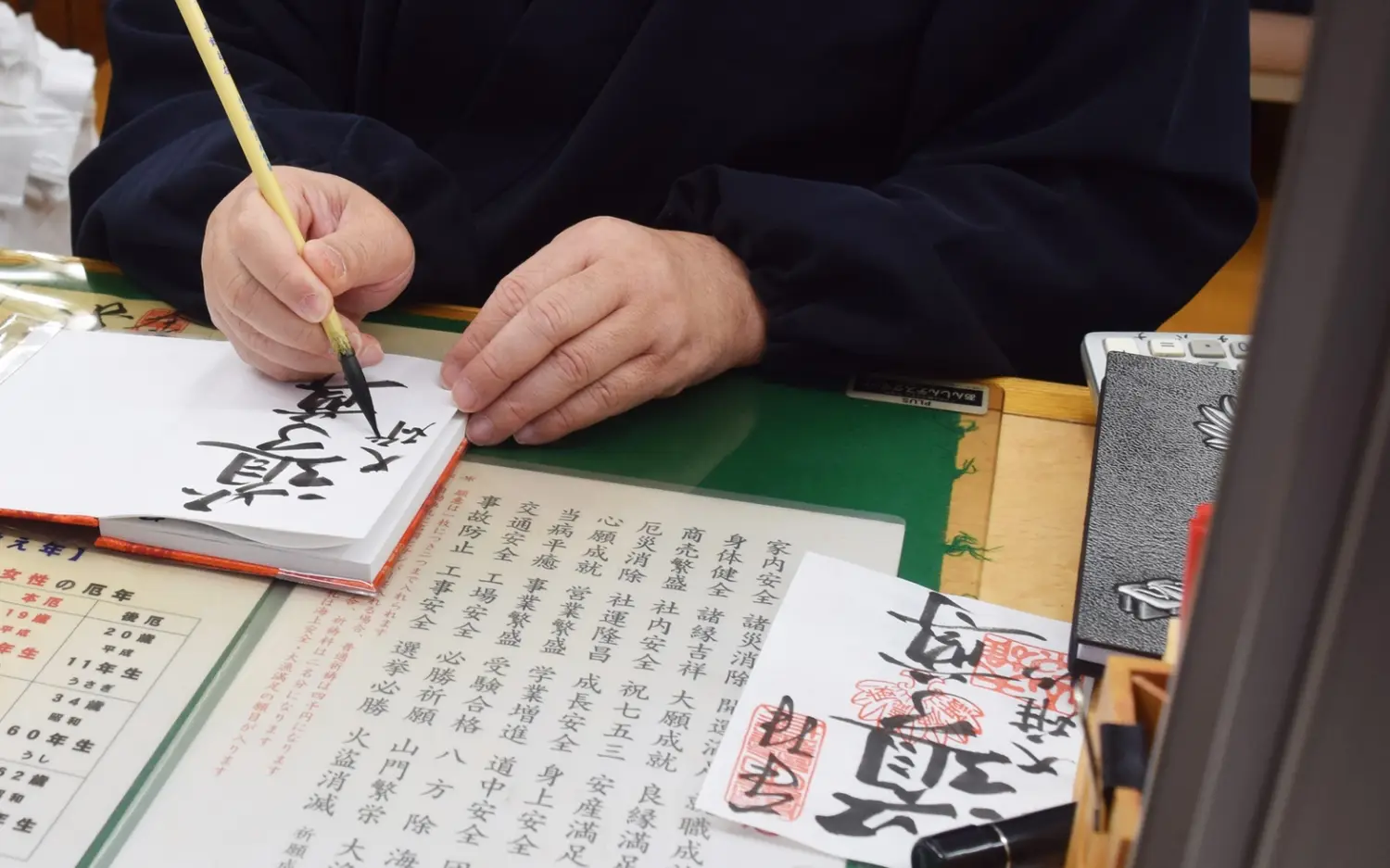
Goshuin are handwritten stamps you receive at temples and shrines in Japan. Over a red seal, someone writes the name of the temple or shrine and the date of your visit in black ink. It goes in a book called a goshuincho. Each one costs about ¥300 to ¥500, and anyone can get them, tourists included.
What is a goshuin?
A goshuin is a record of your visit. Each page holds a red seal and black handwriting: the name of the temple or shrine, and the date. Even at the same place, it changes a little with the person writing and the season. No two are ever the same.
Nobody knows exactly how they began. The common view is that, several hundred years ago, pilgrims copied out Buddhist scriptures, offered them to temples and received a seal as a receipt. Today you do not need to offer anything. Visiting is enough.
A goshuin is not a stamp from a stamp rally. It is proof of a bond with the gods and the Buddha, and for Japanese people it is closer to a protective charm.
Can tourists get goshuin? Are they worth collecting?
Yes, they can. Temple stamps in Japan are open to everyone: you do not need to be a believer, and you do not need to speak Japanese.
Goshuin stamps are well worth collecting. Every page becomes your own travel record. You will remember the weather that day, and even who you were with. They cost less than a souvenir and take up almost no space.
Today it is easy to keep memories as photos and videos. A goshuin is different: it is written by hand, on paper, in Japanese, and you can hold it. Every one is dated, and the style changes a lot from temple to temple, so it feels like collecting small paintings.
I started collecting goshuin almost by chance. Now it is part of my everyday life.
How much do goshuin and a goshuincho cost?
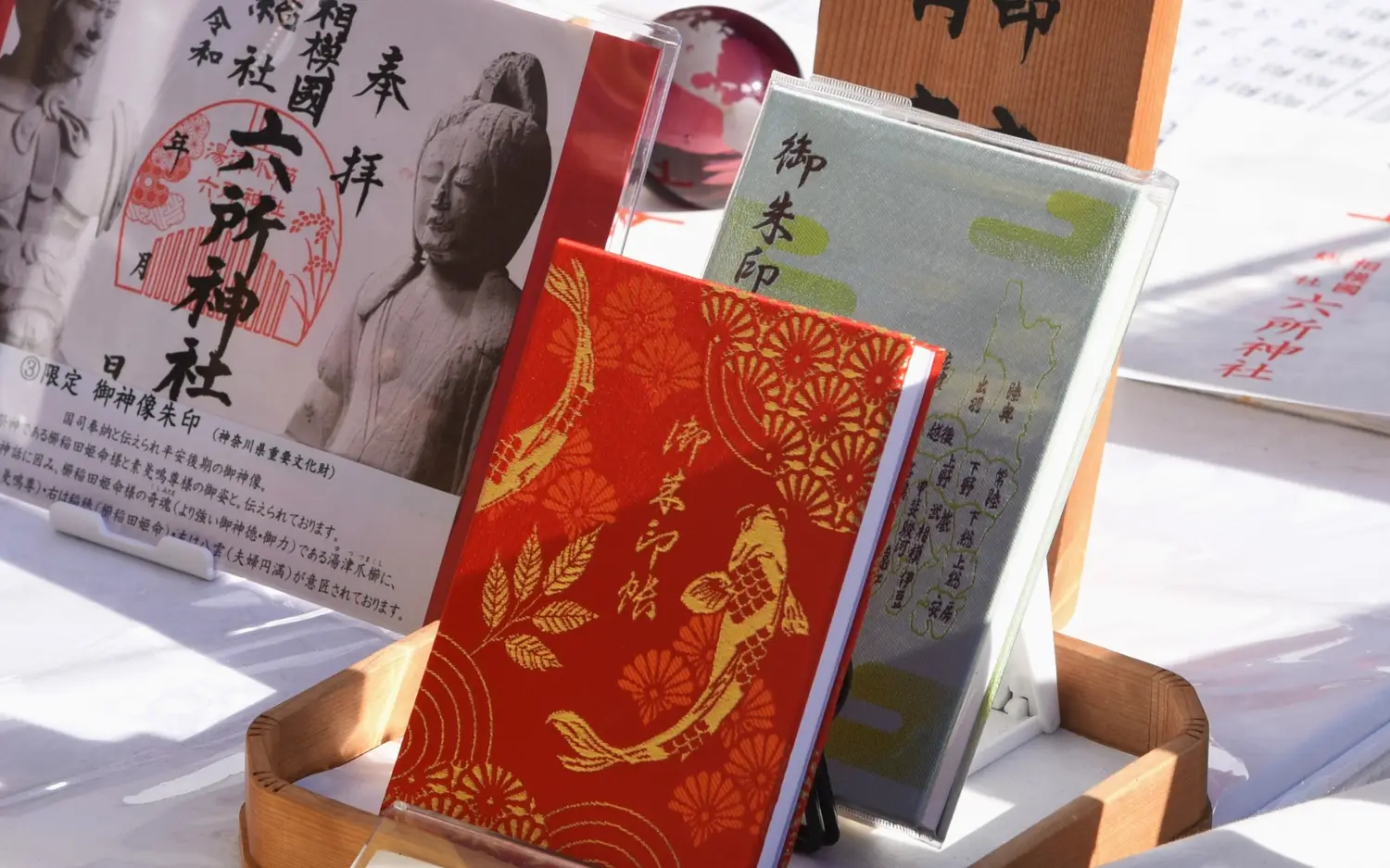
Goshuin are written in a special book called a goshuincho. It folds out like a paper screen. You can buy one at a large temple or shrine, where they sell charms, or at a bookshop or stationery shop. If you buy it at a temple or shrine, the first page often already has that place’s goshuin.
One goshuin: ¥300 to ¥500 (special ones can be ¥1,000 or more)
Goshuincho from a temple or shrine: ¥1,000 to ¥2,500
Goshuincho from a bookshop (designer books): ¥2,000 to ¥6,000
A cover for the book: ¥1,000 to ¥5,000
How to get a goshuin
1. Pray first. A goshuin is proof of your visit, so start by putting your hands together at the main hall. When it is busy, it is fine to hand over your book first and pray while you wait.
2. Find the counter. It is usually near the place that sells charms. If a sign says “御朱印”, that is the counter.
3. Open your book and hand it over. Open it at the page you want and say “Goshuin, please”. That is all you need. When it is busy, you get a number ticket and they call you later.
4. Pay in cash. Most places take cash only. Carry plenty of ¥100 coins.
Things to keep in mind
Do not give them away or sell them. A goshuin is proof of your own visit, so it is not a gift
While they are writing, wait quietly and do not take photos
Temples of the Jodo Shinshu school, such as Nishi Honganji and Higashi Honganji in Kyoto, do not give goshuin, as a matter of policy
On busy days and festival days, you may get a goshuin written in advance on a sheet of paper. Glue it into your book at home with a glue stick or tape glue. Avoid liquid glue: it makes the paper wrinkle.
Where to get temple stamps in Japan
You can get goshuin at many temples and shrines across Japan. In Kyoto, for example, you can collect them from several World Heritage sites in a single day.
Kifune Shrine (head shrine of the god of water) A shrine beside a mountain river, north of the city. It is also known for its water fortunes: float the paper on the water and the words appear. The goshuin counter is at the main shrine.
The reel below is from my visit. It is a lovely place, so I hope you go.
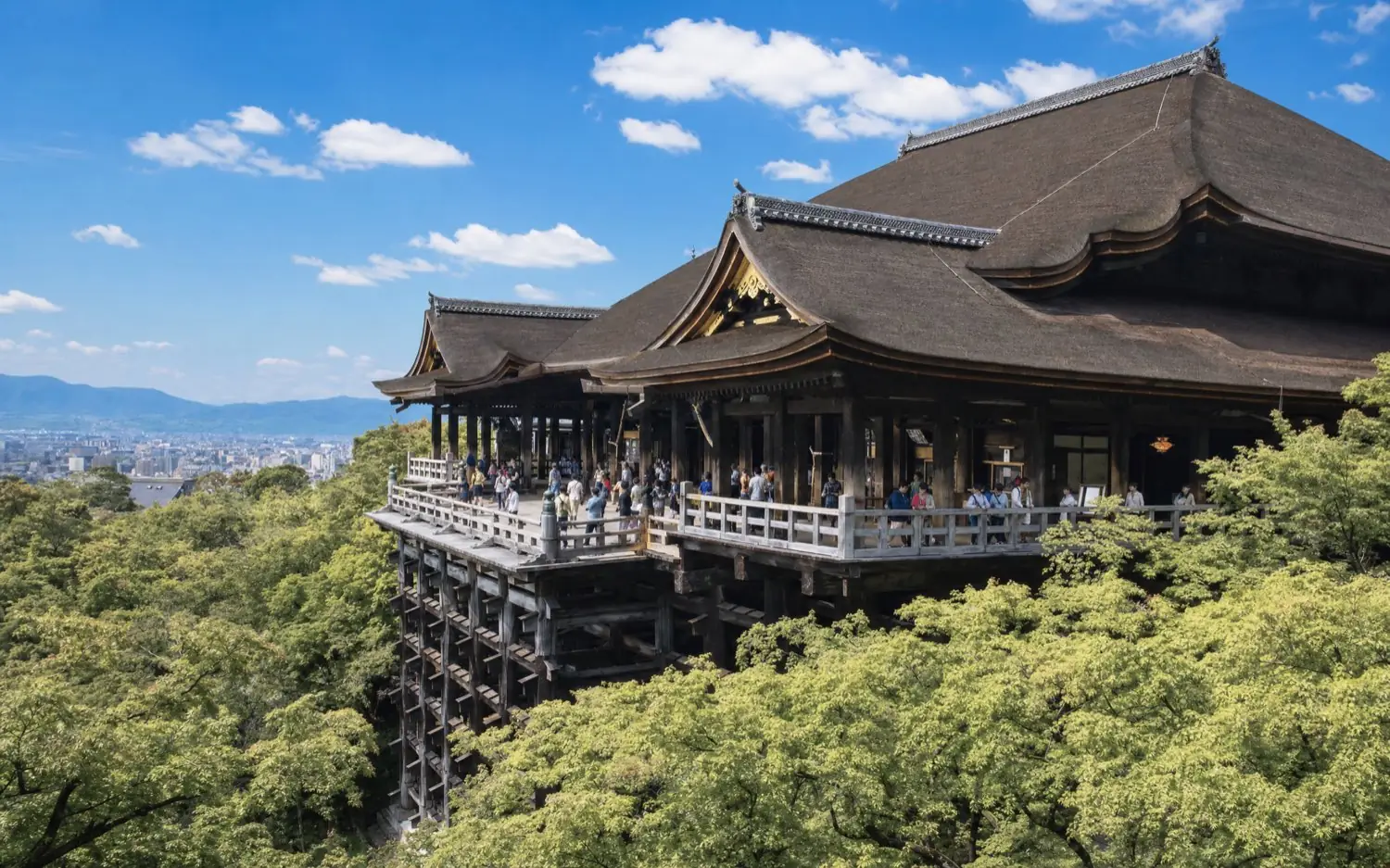
Kiyomizu-dera (World Heritage) The temple known for its wooden stage. There are three counters in the grounds, each with a different goshuin. They are inside the paid area, so you pay the entrance fee too. It is quiet between 8 AM and 9 AM.
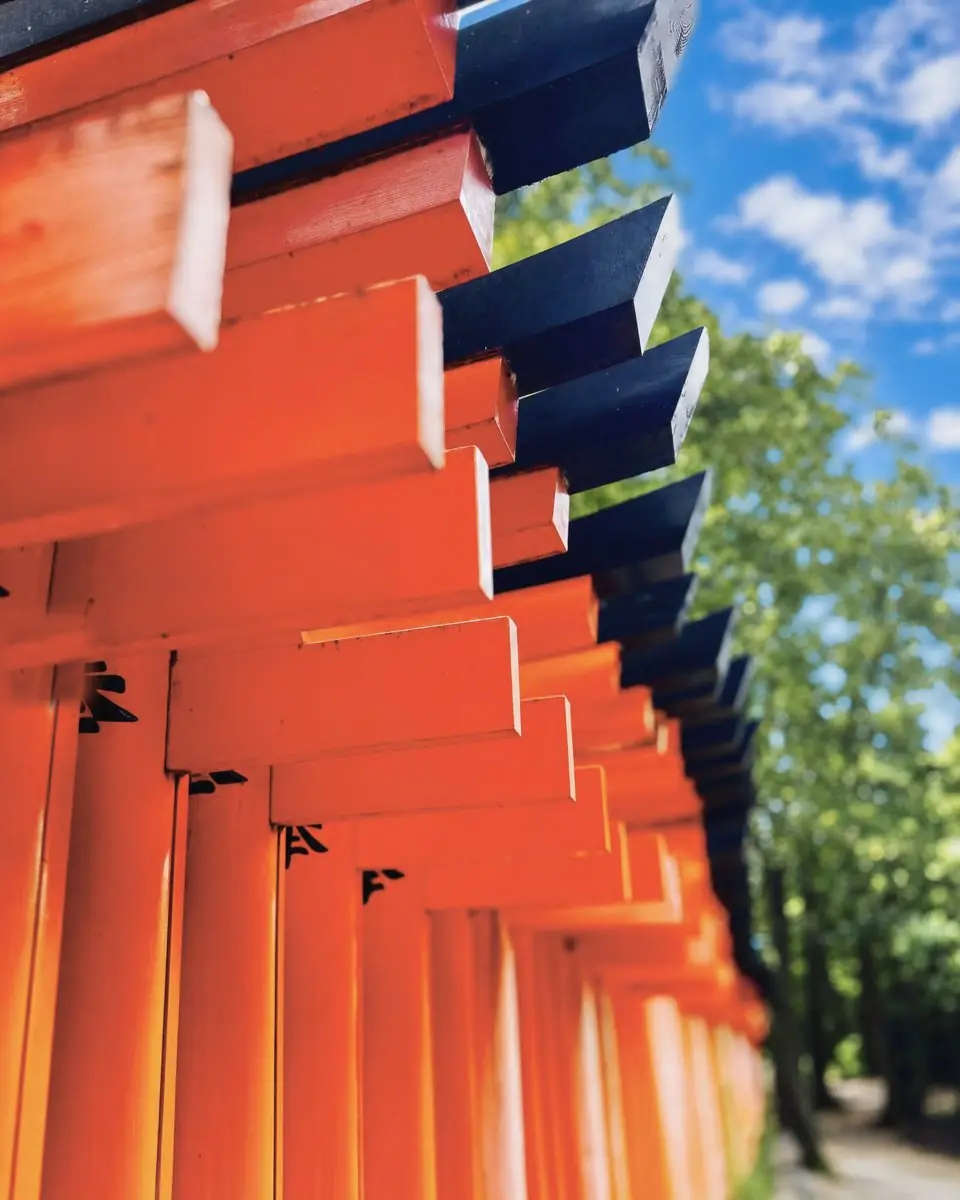
Fushimi Inari Taisha (head shrine of all Inari shrines in Japan) The shrine of a thousand red gates. Besides the counter near the main hall, there are counters along the path of gates, and some goshuin are only for people who climb.
Kinkaku-ji (World Heritage) The temple known for its golden pavilion. The counter is at Fudo Hall, near the exit.
There is a tour that takes you to Fushimi Inari and Kiyomizu-dera, two goshuin, in one morning with an English-speaking guide.
Most goshuin are just black ink and a red seal. In Kyoto, some exist only in one place, or only for a short time.
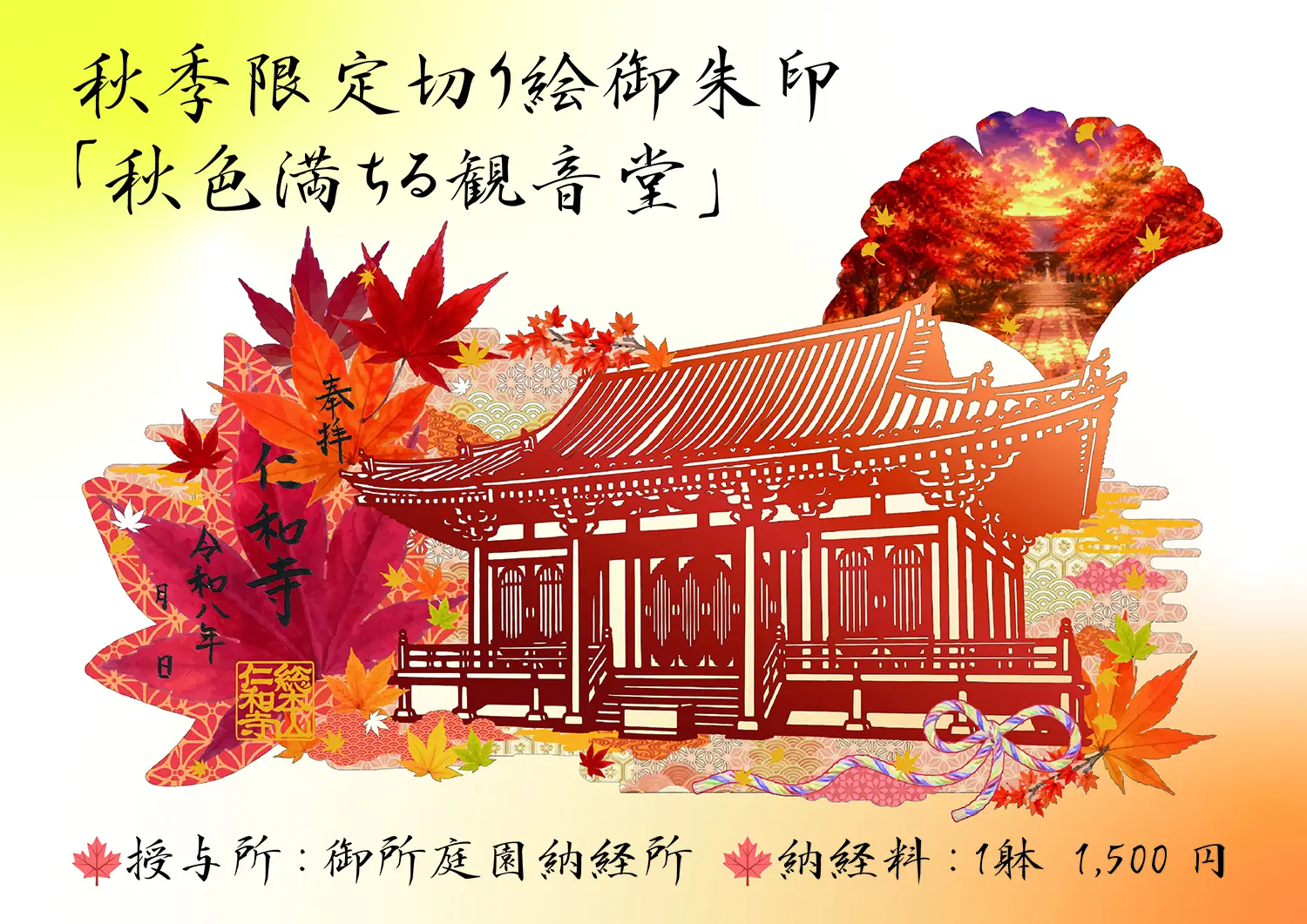
Ninna-ji (World Heritage): seasonal paper-cut goshuin. Japanese paper is cut into the shape of a temple hall or autumn leaves. The design changes with the season, and for autumn 2026 it is the Kannon Hall wrapped in autumn colours.
From 14 September, ¥1,500 each, at the counter inside the garden. It comes as a loose sheet, and many people frame it instead of gluing it into their book.
What else can you collect? Planes, trains, boats and manholes
In Japan, temples and shrines are not the only places to collect a record of your trip. Each of these has its own book or folder, and fans all over the country.
Goshoin, for airports: a different design for each of the 55 airports in Japan that JAL flies to. ¥350 each
Tetsuin, for railways: from 41 local railways. More than 3,200 people have collected them all
Gosenin, for boats: on ferries and sightseeing boats. More than 100 companies take part
Manhole cards: cards showing a town’s manhole cover design. They are free, and you can only get them in that town, at places like the tourist information centre. New series still come out a few times a year
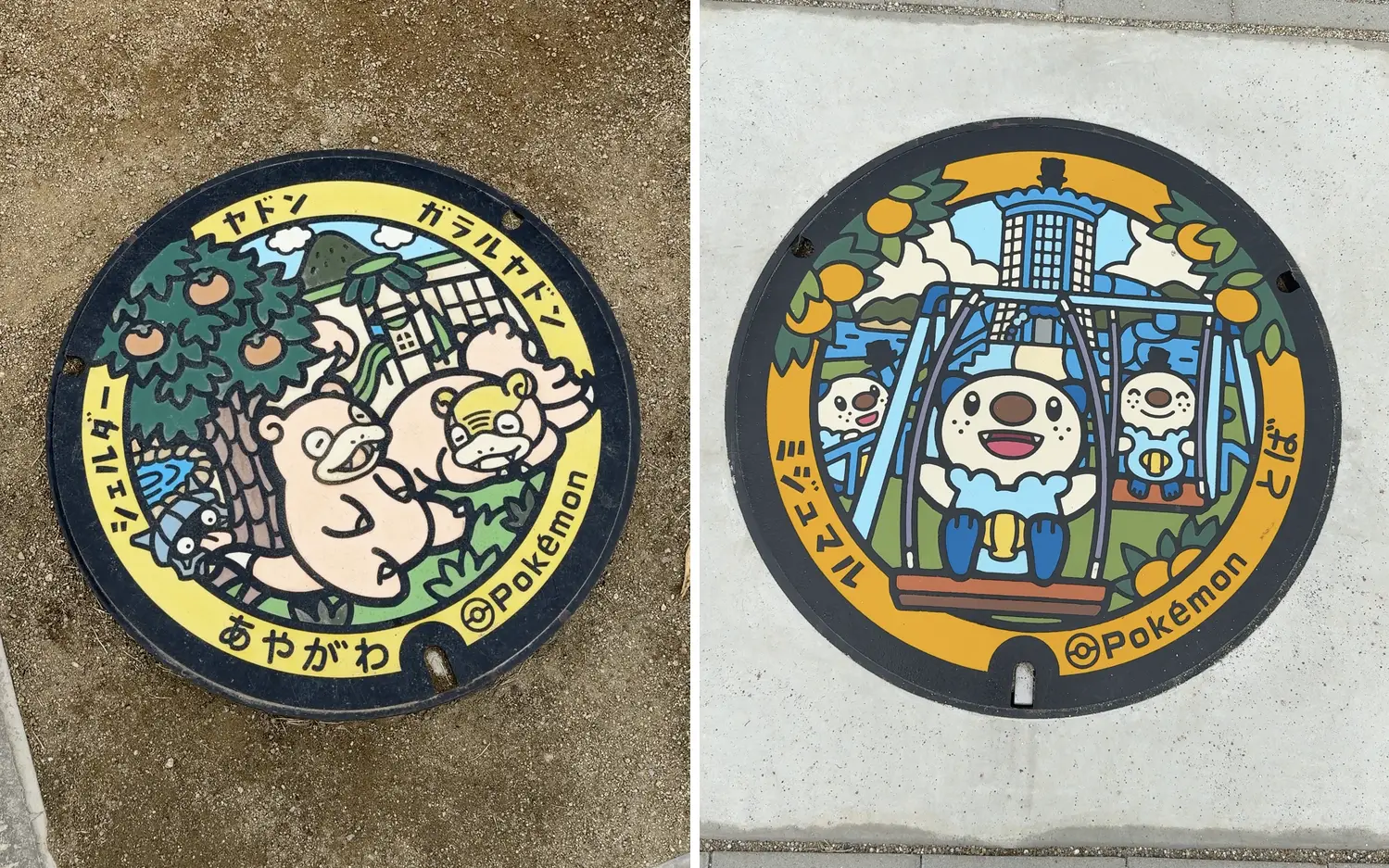
Pokémon fans can also look for Poké Lids: manhole covers decorated with Pokémon, about 480 of them across Japan. Unlike the cards, you go to see the cover itself, set in the street.
You can find them on the official map. There are no cards for Poké Lids, but if you play Pokémon GO, your visit is recorded in the app.
Left: Slowpoke in Ayagawa, Kagawa / Right: Oshawott in Toba, Mie
FAQ
How do you pronounce goshuin?
“Go-shoo-in”. The book is a goshuincho, “go-shoo-in-cho”.
Should I keep separate books for temples and shrines?
There is no rule. Some people do mind, though, so separate books are the safe choice.
What if I forget my goshuincho?
Many places will give you a goshuin on a sheet of paper. You can also buy a new book on the spot.
Kyoto is crowded with visitors, so I strongly recommend a guide to get around efficiently. Do try a tour with one of the guides I have found and trust.
You can now ask about your trip through the chat on this site.
Sharing Japan travel information on Instagram since June 2024, with 280K followers. Also works with local governments to bring travellers to rural Japan, where the old landscape remains.
Hiroko runs private tours in Japan with English-speaking guides, bookable online from ¥44,000.
 By Hiroko · 7 October 2026